Port-Louis
Port-Louis
Economic capital of Mauritius, Port-Louis blends modern Caudan, the central market, UNESCO-listed Aapravasi Ghat and colonial quarters. Complete guide to exploring the city.
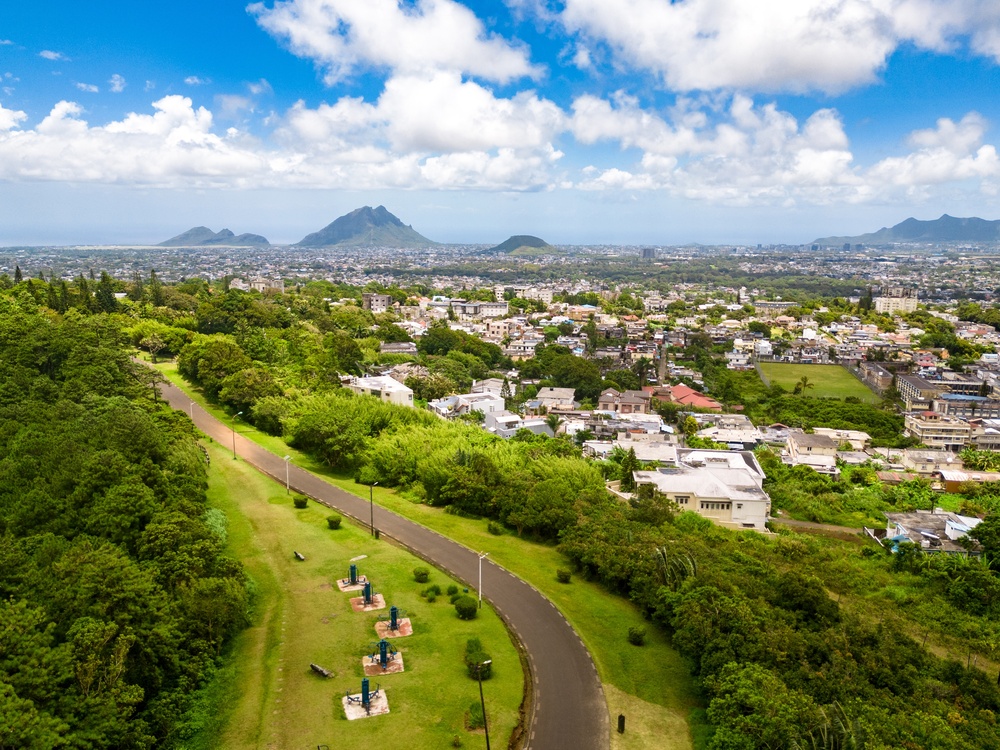
Port-Louis, despite being situated roughly 47 km from Mauritius's sole international airport, naturally stands as the best destination to gain a comprehensive view of the island's realities. From the Grand Bazaar to the Caudan Waterfront, the capital brims with contrasts.
History
The Dutch were the first Western arrivals on the island of Mauritius in 1638. They established a small colony to exploit local resources and departed a few decades later. The French took control of the territory in 1715 and established Port-Louis as the administrative capital in 1729. The port was constructed alongside fortifications. During the Empire period, the city briefly bore the name Port-Napoléon. It reclaimed its Port-Louis designation years later, following the onset of British governance. The island remained colonised until 12 March 1968, when independence was proclaimed. Mauritius remains part of the Francophonie, yet its population is predominantly English-speaking rather than French-speaking.
Discovering Port-Louis
In the streets, working men in suits and women in saris illustrate Port-Louis's contradictions. Bazaar merchants ease daily life, while trendy youth dream of luxury window-shopping along the elegant waterfront boutiques. The imposing structures of the Caudan Waterfront represent the "Mauritian economic miracle," yet elsewhere ramshackle dwellings characteristic of the developing world persist. In the centre, the historic quarter offers insight into the capital's past.
Explore the Caudan Waterfront
When visiting Port-Louis, the Caudan is an unmissable destination. It's the primary shopping hub, juxtaposing brand-name stores with artisanal boutiques, alongside quality restaurants. Events are held regularly—concerts and culinary gatherings including the Bread Festival in May. Cinema halls and a casino round out entertainment options, while the Blue Penny modern museum provides a historical and artistic interlude. On the opposite side of Caudan Waterfront stands another fascinating museum, housed in a windmill erected by Mahé de Labourdonnais.
Near Caudan Waterfront, the Aapravasi Ghat is a UNESCO World Heritage site since 12 July 2016. This is where the first Indian immigrants arrived from 1834 to 1910. Pass through the old entrance and uncover the secrets of that era by exploring the ruins of common quarters, the sirdars' neighbourhood, the hospital, and more.
Wander Through the Open-Air Grand Bazaar
What truly animates Port-Louis is its Grand Bazaar located on Farquhar Street, a mosaic of colours and aromas, and undoubtedly the best-stocked market on the island. Prepare your basket—stalls offer an extensive selection of vegetables and fruits, textiles, souvenirs, and more. For quick bites, there's a dedicated street-food area. As a showcase of Mauritian terrain and folklore, the Grand Bazaar of Port-Louis is not to be missed.
Visit Port-Louis's Historic Sites
Head to Place d'Armes to discover the capital's last wooden colonial houses. Stroll along the tree-lined avenue of coconut and mango trees. Discover the Port-Louis Theatre, the oldest in the Southern Hemisphere, whose baroque façade is currently undergoing restoration. Don't miss either the magnificent Jummah Mosque and its circular balcony.
Immerse Yourself in Port-Louis's Chinatown
Chinese arrivals came to the city in the 1780s. They settled in a central street where they rapidly developed the Port-Louis Chinatown. Today, the district extends 500 metres along Royal Street. During the week, it's a bustling neighbourhood of commerce and trade. Of course, people also come for the savoury cuisine: fried noodles, Peking duck, chop suey, dumplings, and more. Plus, several period buildings await discovery: pharmacies with their old wooden counters, a small pagoda, the Chinese Immigration Museum, among others.
Practical Information
When to Visit Port-Louis?
Mauritius lies in a tropical region of the Southern Hemisphere. Relative to Europe, seasons are reversed on the island and characterised by two main periods. From November to April is the austral summer, marked by heat and humidity. Winter runs from May to October, the dry and mild season.
That said, Port-Louis can be visited year-round. Average temperatures in the city range from 21°C to 28°C. Most travellers schedule their stay between May and September, avoiding January, February, and March due to rainfall. Independence Day is also an excellent time to visit Port-Louis, should you wish to enjoy concerts and carnivals.
Sir Seewoosagur Ramgoolam International Airport is the main entry point to Mauritius for foreign travellers. Air Mauritius, Air France, and Corsair offer regular flights throughout the year to this destination. Once on the ground, you can rent a car to reach Port-Louis in the island's northwest. Note that driving is on the left side in Mauritius. Alternatively, public transport serves the capital from the airport.
Bus is the most practical and economical transport for short journeys. Taxis are available throughout the city—agree on the fare before boarding. For greater freedom and independence, you can hire a bicycle, scooter, or car. The capital offers good parking services, notably around Caudan.
What to Do in Port-Louis?
- Discover the daily life of Mauritians by visiting the Grand Bazaar
- Stroll along the Caudan waterfront and browse luxury boutiques
- Admire colonial architecture during a walk around Place d'Armes
- Savour the flavourful Sino-Mauritian cuisine in Chinatown
- Learn more about the capital's and country's history by visiting the museums, and more
Want to discover this destination?
Our local advisors design your tailor-made trip.