Saint Brandon
Saint Brandon
A secluded archipelago 430 km from Mauritius, Saint Brandon reveals 50 untouched islands, turquoise lagoons, and one of the world's finest bonefish fishing destinations.
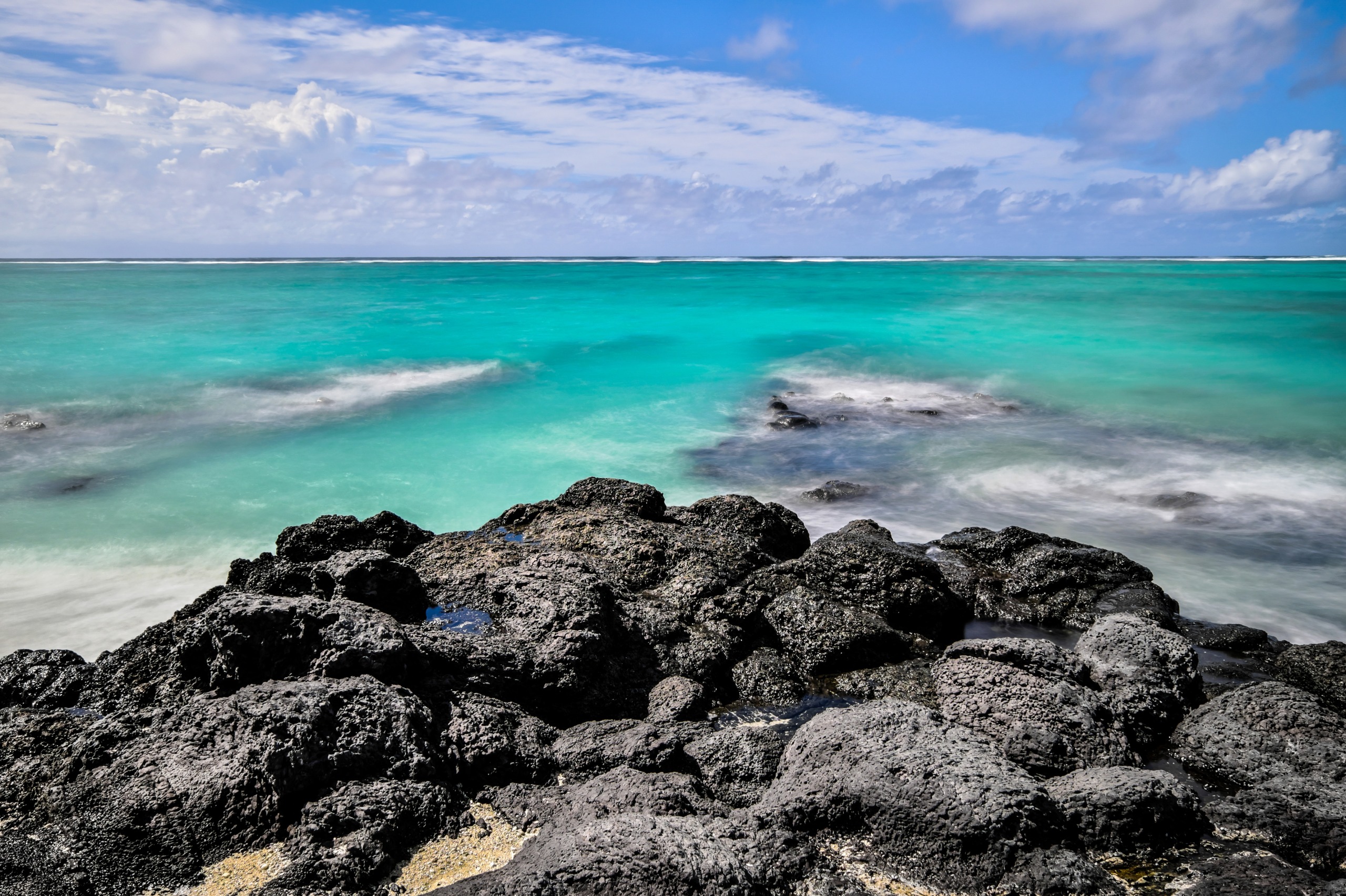
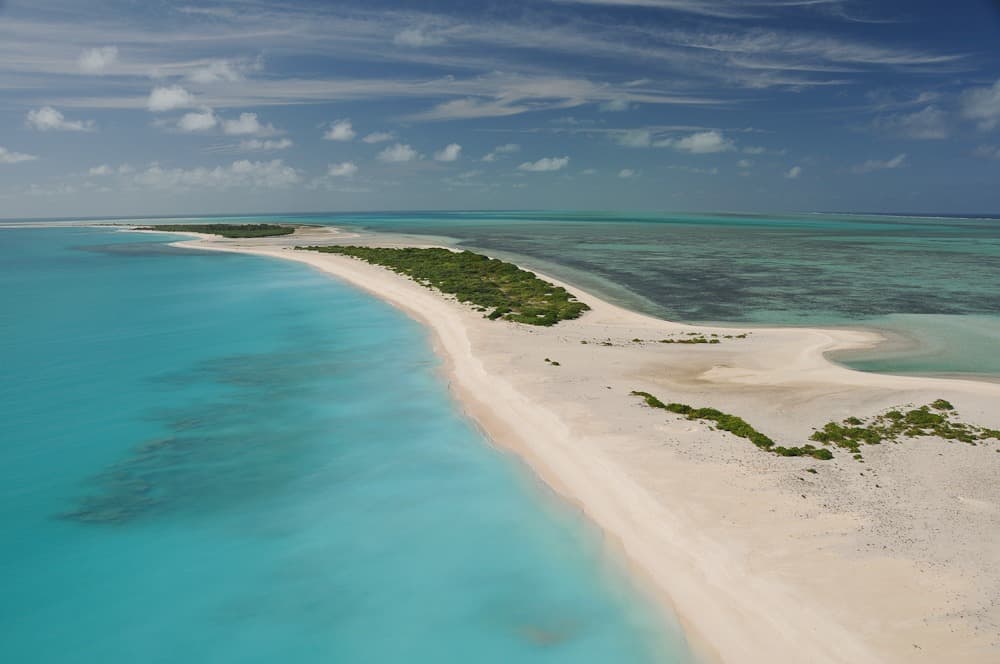
Cargados Carajos, better known as Saint Brandon, is an archipelago in the Indian Ocean. Access is by boat from the island of Mauritius, located just over 400 kilometers to the south. Saint Brandon, composed of around fifty small islands, coral ridges, and white sand formations, unveils a paradisiacal landscape where aquatic fauna and flora thrive in abundance. Saint Brandon is undoubtedly a dream destination for a cruise from Mauritius.
A Glimpse into Saint Brandon's History
First charted in 1546 by Portuguese explorers, the archipelago once welcomed Arab seafarers in its distant past and served as a refuge for pirates.
Its subsequent history has been deeply intertwined with that of Mauritius, which was colonized multiple times: Dutch colony, French colony, British colony, and more.
The islands experienced a brief period of mining activity, valued for their phosphate deposits. Fortunately, these activities ceased in the mid-twentieth century.
Today, carefully preserved, only a select few can access the islands by controlled cruise in keeping with principles of responsible tourism.
Saint Brandon: A Protected Archipelago
Embarking on a cruise to Saint Brandon is a genuine immersion into the wild beauty of coral reefs near Mauritius.
Spared from mass tourism and untouched by urbanization, Saint Brandon is a true paradise where fauna and flora abound in discovery. A small population of indigenous Creoles has nonetheless settled here, primarily on the islets of Raphael and Coco.
The Islands of Brandon
The Saint Brandon archipelago comprises around fifty islands, each unique and protected by an incredible arc-shaped coral reef spanning 280 km².
The highest and largest of the islands is Albatross Island, with an area of just 1.01 km². Albatross is followed by the islands of Raphael, Avocaré, Coco Island, and South Island. Albatross is the northernmost; South Island is the first island to the south of the archipelago, as its name suggests.
Coco Island, situated between South Island and Raphael, represents the economic hub of the region. Its beaches rank among the most stunning, with impossibly white sand. You'll be surprised to discover old railway tracks, remnants of a glorious past. Small scattered infrastructure here and there breathe life into this dreamlike landscape.
Exceptional Fauna and Flora
The preservation of nature has resulted in an abundance of wildlife. The immaculate and nearly deserted beaches of the islands are the preferred nesting grounds for sea turtles laying their eggs.
On Albatross, a procession of birds passes before your eyes. Protected from all predators, birds compete for the space, making the island a true avian sanctuary.
On the islands, you'll naturally find coconut palms and scattered shrubs, but it's beneath the waves that fauna and flora reveal all their riches. The coral reefs harbor an impressive array of marine species: sea turtles, lobsters, crayfish, and countless tropical fish that populate these underwater depths and dazzle the eye.
What to Do in Saint Brandon?
Once closed to foreign visitors, it is now possible to visit Cargados Carajos, though only a select number of operators are authorized, ensuring continued preservation of the archipelago's ecosystem. Various activities are available throughout the islands, though all must be conducted with environmental respect and an eco-tourism approach:
- Scuba diving,
- Snorkeling,
- Freediving,
- Bird watching,
- Fishing,
- Excursions and ecological cruises.
Stays in Brandon take place aboard boats; each day you'll discover new underwater sites and fresh beaches, each as spectacular as the last. Nights are spent on board for a truly immersive escape.
Want to discover this destination?
Our local advisors design your tailor-made trip.