Curepipe
Curepipe
Curepipe, at 550 m altitude in the heart of Maurice, combines the Trou aux Cerfs volcanic crater, well-preserved Creole colonial architecture and renowned textile shopping.
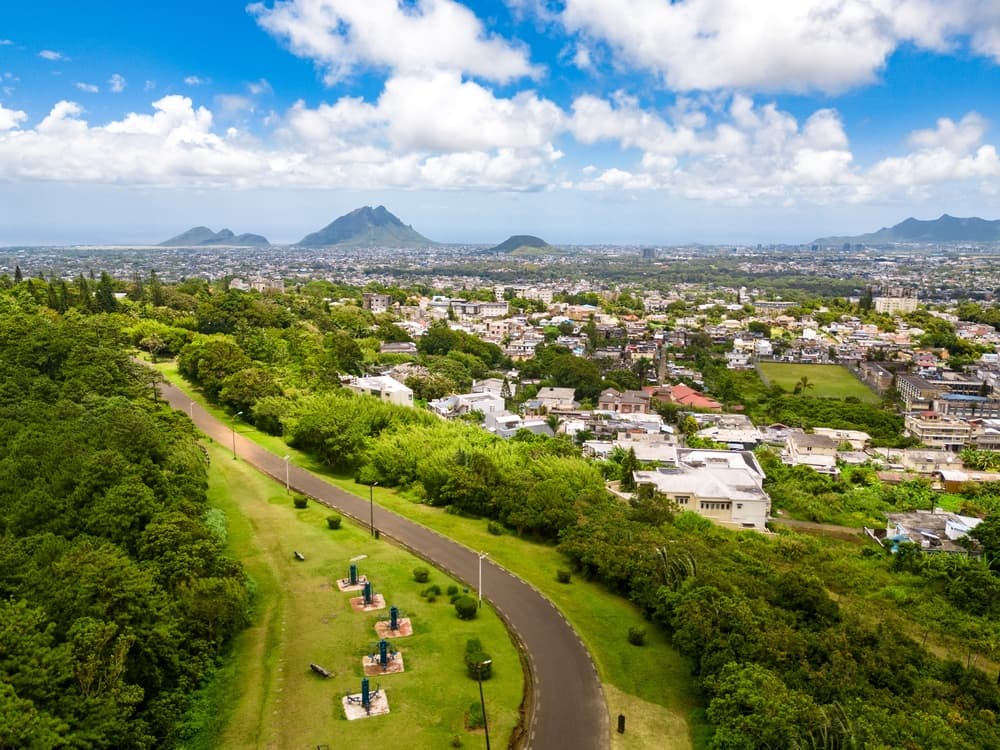
Curepipe occupies the geographic center of Mauritius, on the high plateaus at approximately 550 meters altitude. The island's wettest town, it compensates with pleasant cool temperatures, a lively commercial downtown and several natural and architectural attractions. It is also the gateway to Trou aux Cerfs crater, one of the island's best-preserved extinct volcanoes.
Practical information at a glance
- Altitude: approximately 550 m — bring an extra layer, especially in southern winter (June–August).
- Access: regular buses from Port-Louis, Quatre Bornes and Rose Hill; journey from Port-Louis approximately 1 hour depending on traffic.
- Recommended duration: half day for the crater and downtown; full day if combining shopping and gardens.
- Weather: frequent rain throughout the year — a light raincoat is useful.
What to see
The Trou aux Cerfs crater dominates the town: an extinct volcanic cone approximately 85 meters deep, surrounded by a panoramic trail. In clear weather, the view spans much of the central plateau and, in good conditions, the island's coasts.
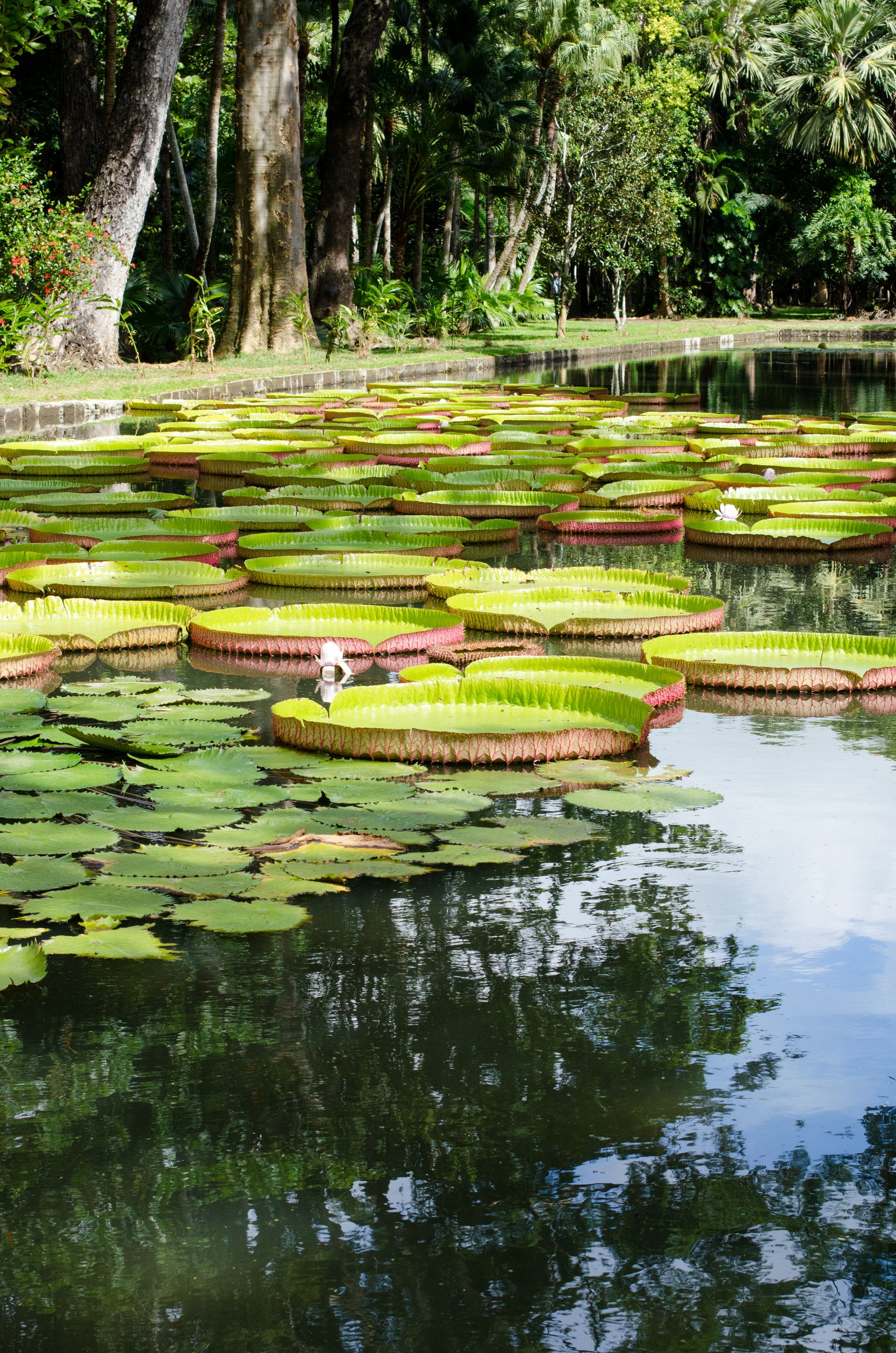
The downtown area concentrates several well-preserved colonial buildings, including the wooden Town Hall, a typical example of early 20th-century Mauritian Creole architecture. The Curepipe Botanic Garden (Jardin de la Compagnie) offers a verdant walk with endemic and introduced species.
The town is renowned for its clothing and textile shops: several factories and outlet stores offer items in wool, cashmere and cotton at competitive prices.
History and context
Curepipe developed primarily after the malaria epidemic of 1867 that struck Port-Louis: numerous wealthy families fled the coast to settle on the healthier heights of the plateau. The town quickly acquired a bourgeois residential character, visible in its Creole villas and tree-lined streets. Its name reportedly derives, according to local tradition, from soldiers who stopped there to "cure their pipe" during marches between the north and south of the island.
Highlights of the visit
Trou aux Cerfs crater
The crater walk follows a shaded circular trail on foot. The crater floor is covered in dense vegetation; access to the bottom is not developed. The panorama from the rim is the main attraction: on clear days you can distinguish Piton de la Petite Rivière Noire to the southwest.
The Town Hall
Built in wood in colonial Creole style, it ranks among the rare public buildings of this type still standing in Mauritius. Its veranda-fronted façade and woodwork merit a stop, however brief.
The Botanic Garden
More modest than the one in Pamplemousses, this central garden remains a pleasant green space for a break. You'll find palms, tree ferns and some endemic Mauritian species.
Textile shopping
Curepipe is one of the island's best addresses for buying locally-produced wool, plaid and cashmere clothing. Several retailers are grouped within and around the Arcades Currimjee shopping center.
Photography tips
Trou aux Cerfs crater photographs best in the morning, before heat haze obscures distant landforms. Colonial façades in downtown are better lit in late afternoon. Avoid heavy rain days for panoramas: visibility can be virtually nil.
Location and access
Curepipe sits at the center of Mauritius, on the central plateau, approximately 23 km south of Port-Louis. It is linked by the main A10 road and by a dense bus network. By rental car, the journey from Sir Seewoosagur Ramgoolam International Airport (SSR) takes approximately 30 to 40 minutes depending on traffic. Trou aux Cerfs crater is accessible on foot from downtown.
Nearby locations accessible by public transport: Quatre Bornes to the northwest, Rose Hill to the north.
Surrounding area
- Quatre Bornes — neighboring town known for its open-air textile market, a few kilometers to the northwest.
- Rose Hill — cultural and commercial hub of the central plateau, with the Plaza theater.
- Pamplemousses Garden — historic botanic garden in the north of the island, a half-day excursion.
- Black River Gorges National Park — hiking and endemic wildlife, accessible by car from Curepipe.
Frequently asked questions
Southern summer (November–April) is warmer but also wetter. Winter (June–August) offers cooler days and often clearer skies, ideal for panoramas from Trou aux Cerfs. Rain remains possible year-round.
The trail around the crater is freely accessible. No entry fee is required to walk along the rim of the volcano.
The crater floor is not developed for visitors. The descent is not marked and is not recommended; dense vegetation makes progress difficult.
No. The crater, colonial architecture and botanic garden justify a visit in their own right. Textile shopping is an appreciated bonus, especially if you're seeking wool or cashmere items at factory prices.
Buses depart regularly from Port-Louis terminal toward Curepipe. The journey takes approximately one hour depending on traffic. It is the most economical and convenient option for travelers without a vehicle.
No specific dress code is required for Curepipe's tourist sites. Due to altitude and frequent rain, a light jacket and comfortable shoes are recommended.
Want to discover this destination?
Our local advisors design your tailor-made trip.