West Coast
The leeward coast of the island, the west coast combines the calm lagoons of Flic en Flac, the UNESCO-listed Morne peak and the Chamarel plateau at 300 metres altitude.
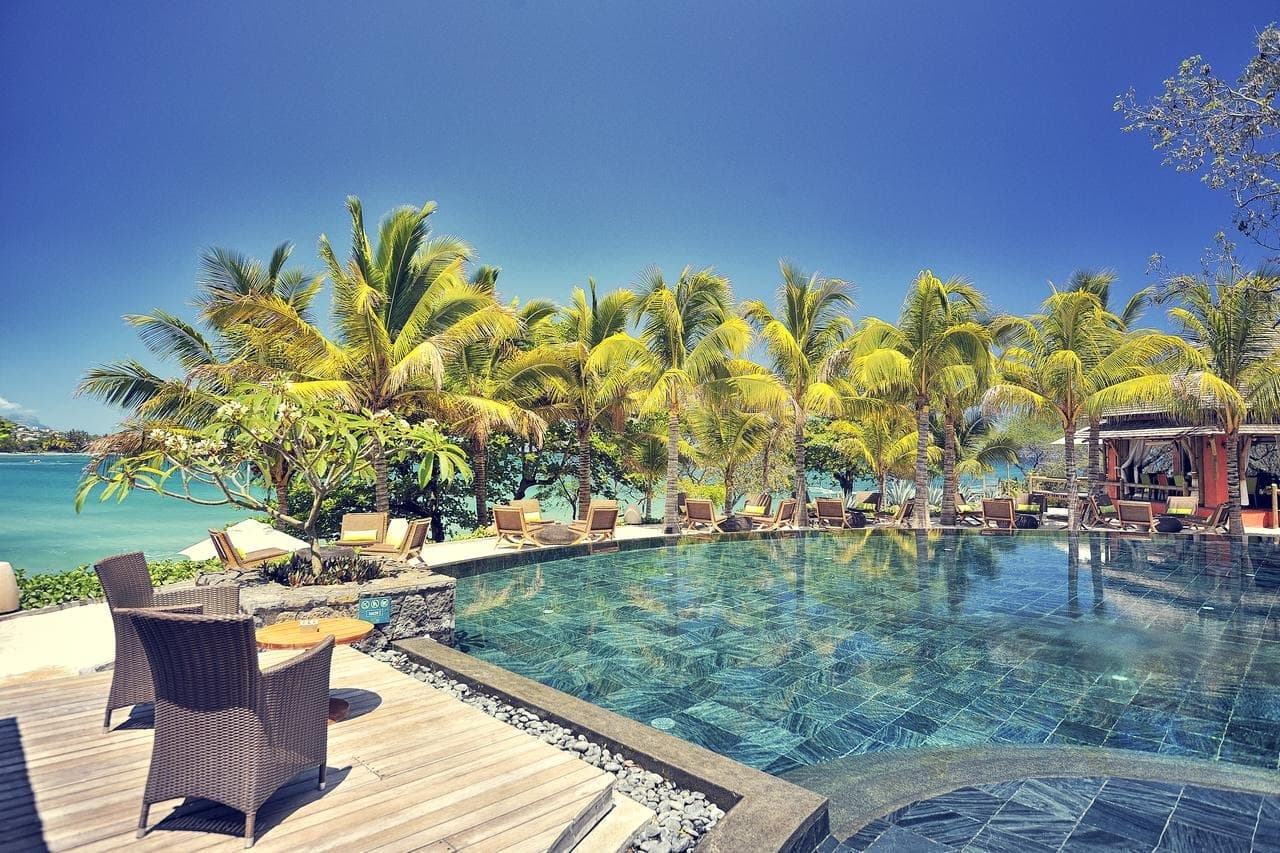
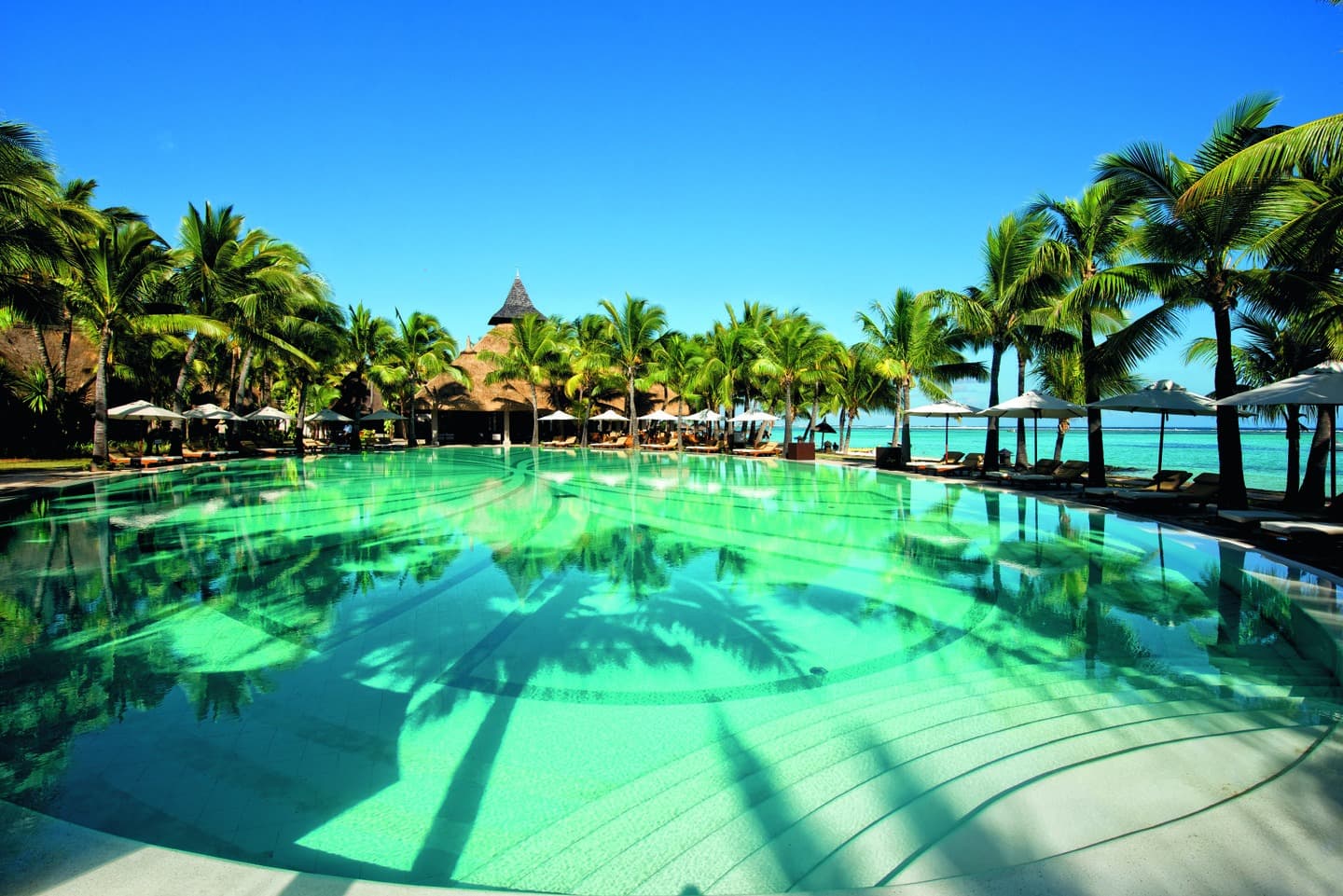
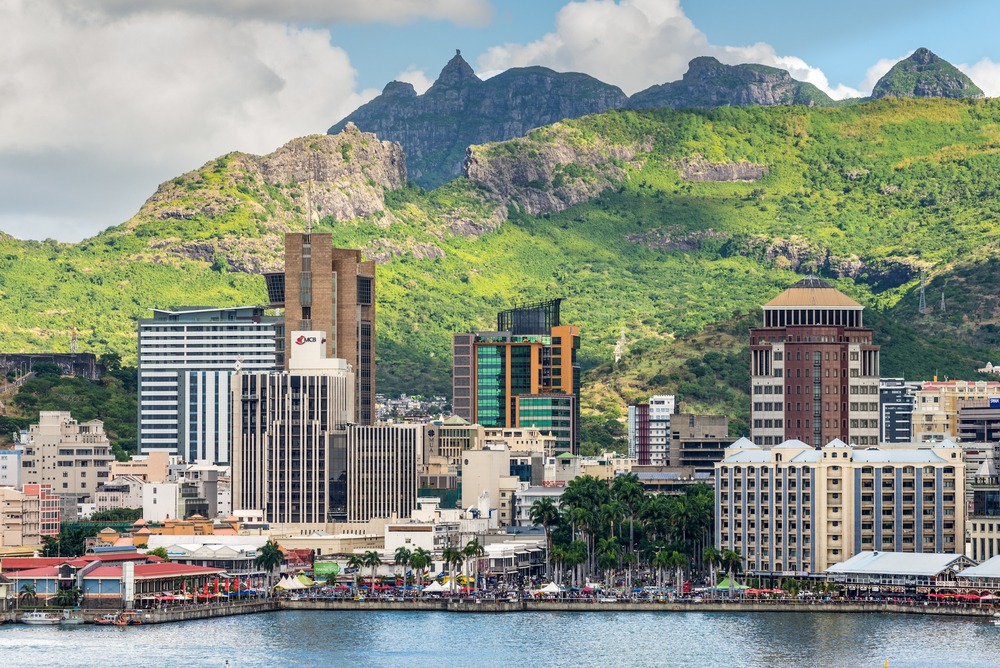
Mauritius's west coast stretches for roughly fifty kilometres, from Pointe aux Caves in the north to the Morne peninsula in the south-west. It is the island's leeward face: sheltered from the trade winds by the interior highlands, it enjoys a drier climate than the east coast and calm lagoons for most of the year. From our agency in Port-Louis, we regularly send travellers here who want to combine lagoon swimming, sea outings and quick access to the mountainous hinterland.
The coastline alternates between beach resorts and fishing villages. Flic en Flac concentrates the hotel supply and diving schools that radiate out towards the Cathedral and the drop-offs off Wolmar. Further south, Tamarin retains a more modest character, with its salt marshes still in operation and its open bay frequented by spinner dolphins and humpback dolphins at dawn. La Gaulette and Le Morne close off the coast, facing the pass that kitesurfers call One Eye, one of the most renowned spots in the Indian Ocean between June and September.
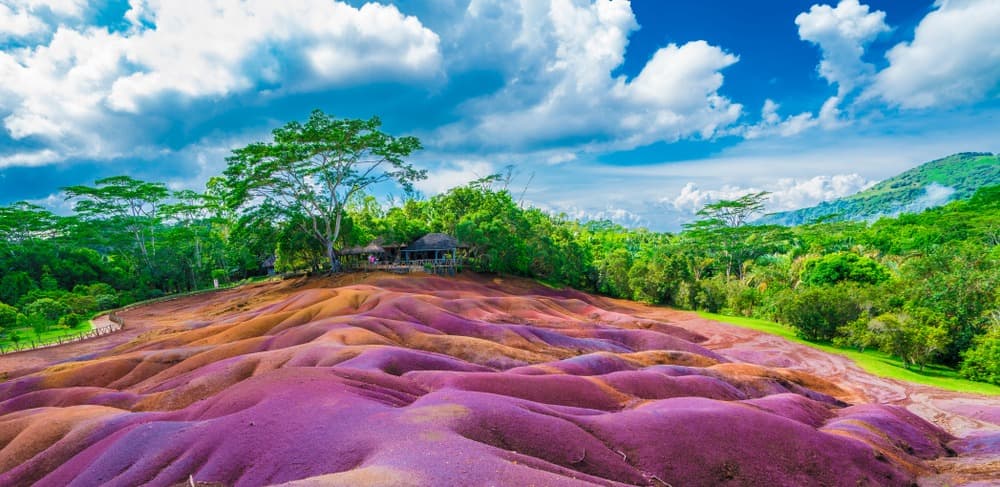
The hinterland deserves as much attention as the coast itself. The road climbing from Case Noyale to Chamarel rises above 300 metres in a few hairpin bends, crosses the Black River Gorges forest, the island's largest national park, then opens onto the Chamarel plateau. This is where you'll find the 100-metre waterfall plunging into a wooded cirque, the multicoloured lands and several agricultural rum distilleries producing from cane grown on site. Creole cuisine in Chamarel, built around chicken curry, heart of palm and spiced sausage, deserves a lunch stop.
Morne Brabant, a UNESCO World Heritage site since 2008, is the region's other highlight. Its 556-metre peak dominates a peninsula that served as a refuge for runaway slaves in the 18th and 19th centuries. The ascent takes four to five hours return, with a final technical section suited only to confident hikers. At the foot of the mountain, the public Morne beach offers one of the most photographed bodies of water on the island, with the optical illusion of an underwater waterfall visible from the air.
As for wildlife, the Tamarin River and Black River descend from the gorges and shelter part of the endemic birdlife, including the Mauritius kestrel, saved from extinction in the 1970s. Catamaran trips from Black River allow you to observe dolphins in accordance with the local charter, which limits the number of boats per group of animals. Black River port also serves as a base for big-game fishermen, primarily marlin and yellowfin tuna, from November to April.
The west coast remains the most practical option for those wanting to combine relaxation, water activities and day trips to the highlands. Sunsets over the open horizon, around 6pm in austral winter and 7pm in summer, are one of the daily rituals of this coast.
To discover
Morne Brabant climb. Four to five hours of hiking to the 556-metre summit, with views over the peninsula, turquoise lagoon and coral reef. The mountain holds the memory of runaway slaves sheltered in its cliffs.
Diving on the Flic en Flac drop-offs. The Cathedral and Serpent Rempart sites descend 30 metres along basalt fissures. Regular visibility of 20 to 25 metres between September and December, with groupers, javanese moray eels and schools of jacks.
Chamarel plateau and waterfall. Climb from Case Noyale to the village perched at 300 metres, seven-coloured lands formed by iron oxides, a 100-metre waterfall in a forest cirque, and Creole lunch at one of the plateau's family-run tables.
Dolphins off Tamarin Bay. Early morning boat trip to observe spinner and humpback dolphins coming to rest in the bay after their nocturnal offshore hunt. Snorkelling possible with fins and mask depending on sea conditions.
Kitesurfing at One Eye, Le Morne. Benchmark Indian Ocean spot from June to September, when trade winds blow regularly between 18 and 25 knots. Reef break on the outside, flat water inside the lagoon, schools set up on the peninsula beach.
When to go
The west coast is the island's driest face. From May to November, during austral winter, temperatures range between 20°C at night and 26 to 28°C during the day, with often clear skies. This is the best time for Morne hiking, diving and dolphin trips, with calmer seas in the morning. Trade winds blow continuously on the Morne peninsula between June and September, making it the season for kitesurfing and windsurfing, but the ascent of the peak may be more exposed.
From December to April, it's austral summer. Temperatures rise to 30-32°C during the day, humidity increases and tropical showers are concentrated in late afternoon, usually brief. January and February are the cyclone months, with a real risk of an active system in the region; hotels remain open but sea outings may be suspended for a few days. March remains a good window, warmer than winter but with seas often suitable.
Practical advice
We recommend a minimum of three to four nights on the west coast to combine a beach and lagoon day, a day trip to Chamarel and Black River Gorges, and a half-day water activity (diving, dolphins or catamaran to Île aux Bénitiers). SSR airport at Plaisance is roughly 1 hour 15 minutes' drive from Flic en Flac and 1 hour from Le Morne, via the M1 motorway then the coastal road. The region is well-suited to a car rental, with good road conditions and modest distances.
The west coast connects logically with the wild South, accessible in one hour from Le Morne via the coastal road past Bel Ombre and Souillac, and with the Centre and plateau for a stop in Curepipe or the Moka highlands. Combining with the North and Grand Baie requires crossing the island, count on roughly 1 hour 30 minutes' drive, and is justified for a stay of ten days or more. Comfort levels range from family guesthouses in Tamarin to 5-star resorts in Le Morne and Wolmar, making it a suitable base for families with children, couples seeking calm or active travellers alike.