Mahébourg National History Museum
Mahébourg National History Museum
Housed in a Creole mansion from 1772 classified as National Heritage, the Mahébourg museum brings together shipwrecks, corsair weapons and natural history collections.
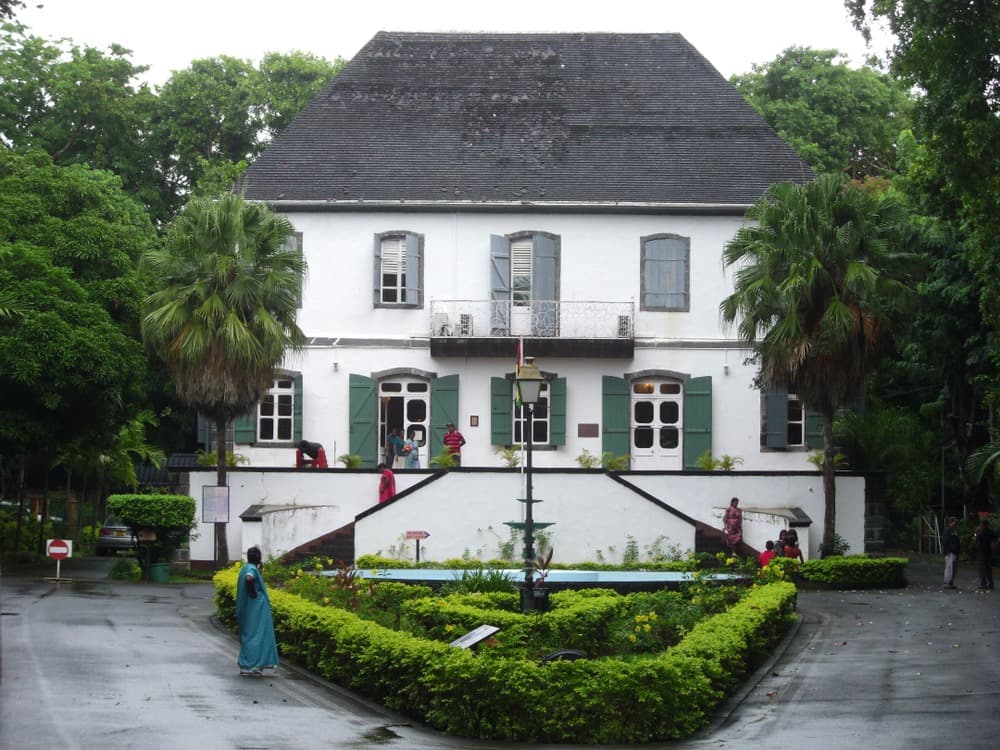
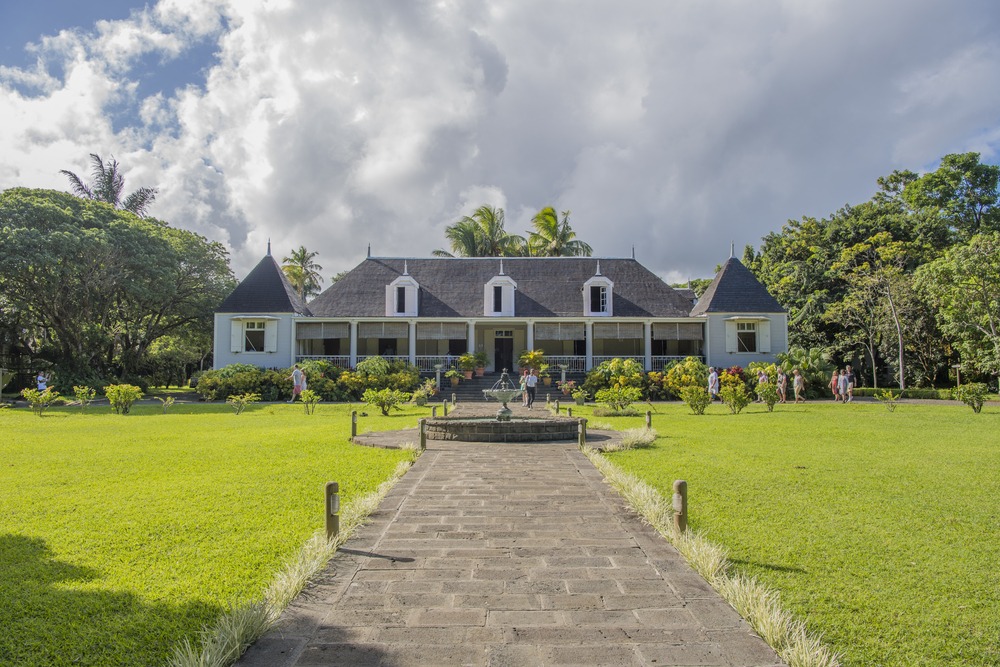
The Mahébourg National History Museum occupies an 18th-century colonial residence on the banks of the La Chaux river. It houses collections spanning the island of Mauritius's naval, colonial and natural history: shipwrecks, corsair weapons, period furnishings, and remains of extinct species. It is one of the key museums for understanding Mauritius's maritime past.
Why visit this museum
The building is classified as part of Mauritius's National Heritage. Beyond its collections, it bears witness to 18th-century Creole architecture, with its varangue (veranda), wide shutters and sloped roof. Three main themes structure the visit: the Battle of Grand-Port (1810), French and British colonial life, and the natural history of the archipelago. The museum thus combines heritage building, naval memory and natural history collections under one roof.
History of the place
The residence was built in 1772. It was known at the time as Château Gheude or Maison Robillard, named after the family that occupied it. Jean de Robillard, its owner, was Commander of the Grand-Port district at the time.
During the Battle of Grand-Port in 1810, which pitted French and British fleets against each other off the coast of Mahébourg, the house served as a field hospital. French Admiral Guy Victor Duperré and British officer Sir Nesbit Josiah Willoughby, both gravely wounded in combat, were treated side by side by their respective physicians. This episode remains one of the founding stories of the museum.
The museum itself was created in 1950 by the colonial government in collaboration with the Mauritius Institute. The first collections came from two older institutions: the Museum of Historical Memories (1938-1939), founded at the Governor's Hotel by Lady Clifford, and the Museum of Naval Relics (1934-1942), established by the Mauritius Railway Company. The Dutch section was inaugurated in September 1998 by Prince Maurits of Orange-Nassau, marking the 400th anniversary of the first Dutch landing in Mauritius. The institution, initially named the Naval and History Museum, was renamed National History Museum in 2000.
What to see in the collections
The manor has three floors, two of which are open to the public, complemented by a 12-acre park reproducing traditional Mauritian village houses.
Ground floor: the Battle of Grand-Port and the age of corsairs
- Remains of the HMS Sirius, including part of the hull run aground on the reef
- 24-pound carronade from the HMS Magicienne
- Paintings and weapons of Robert Surcouf, called "The King of Corsairs" (18th century)
- Bell from the wreck of the Saint-Géran, wrecked off the East coast in 1744
- Newspaper cutting from Charles Seabourne, captain of the Trevessa, run aground at Bel Ombre in 1923 after 25 days at sea; also on display are a razor, remains of biscuits and the cigarette box lid used by the crew to ration water
- Roll of honour of Mauritians who died during the Second World War
First floor: colonial life and art collections
- Four-poster bed of the Count of La Bourdonnais, French governor who left his mark on the island's history
- Two palanquins (wooden chairs of the sedan-chair type) used to carry the masters
- Collection of coins, model ships and old French and English maps
- Porcelain from the reign of Emperor Wan Li (1572-1620), Ming dynasty, recovered from the wreck of the Banda commanded by Admiral Pieter Both and sunk in Tombeau Bay in March 1615 — a testament to trade routes between Europe and the Far East
Natural history
The museum preserves a collection of bones of extinct endemic species: the Dodo, the giant tortoise of Mauritius and the Rodrigues Solitaire. These animals were decimated by hunting and the introduction of invasive species through successive phases of colonisation.
Practical information
The museum is located in Mahébourg, on the banks of the La Chaux river. Entrance is free (donations welcome), as is the case with several Mauritian national museums. Allow approximately 1 to 1.5 hours to tour the two open floors and garden. The facility is open Monday to Saturday (closed Tuesdays) during the day, and Sundays mornings only; check opening hours before your visit, especially on public holidays.
- Family-friendly visit
- Labels in French and English
- Photography generally allowed without flash
How to get there
Mahébourg is located in the south-east of Mauritius, approximately 10 minutes from Sir Seewoosagur Ramgoolam International Airport. From Port-Louis, allow approximately 45 minutes to 1 hour by car via the M1/M2 motorway. Regular buses connect Mahébourg to major towns (Curepipe, Port-Louis, Rose Hill). The museum is at the entrance to the town, on the main road side; free parking is available on site.
What to see around
Mahébourg is an excellent base for exploring the south-east of the island:
- Blue Bay Marine Park: protected lagoon ideal for snorkelling, a few kilometres to the south
- Île aux Aigrettes: nature reserve accessible by boat, dedicated to the conservation of endemic species
- Biscuiterie Raoult: artisanal cassava biscuit factory, local culinary heritage
- Mahébourg Grand Market: lively weekly market, fresh produce and crafts
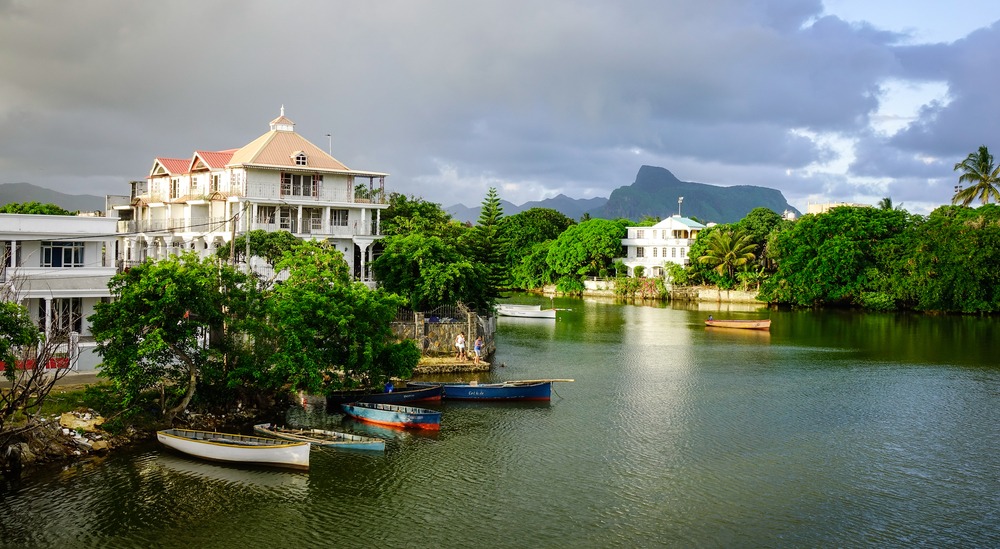
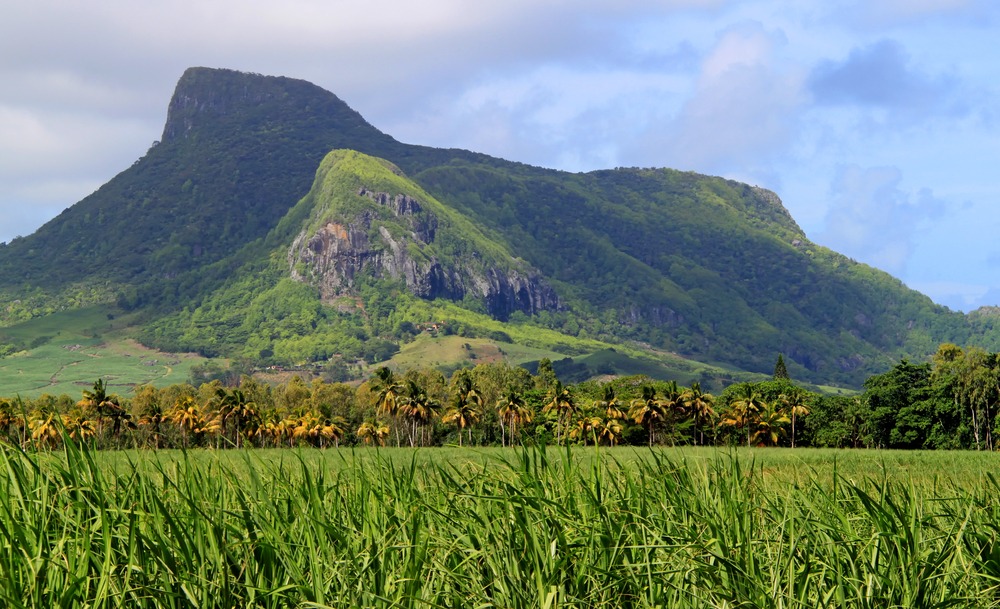
- Views over Vieux Grand-Port Bay and the Lion Mountain that dominates the landscape
To extend your cultural visit, Aventure du Sucre to the north and the Aubineaux estate on the high plateaux complement the historical overview well.
Frequently asked questions
Frequently asked questions
Allow 1 to 1.5 hours to tour the two open floors and the 12-acre park with its reproduction of traditional village houses.
The museum is open Monday to Saturday (closed Tuesdays) during the day, and Sundays mornings only. Public holidays may alter these times: check with the Mauritius Institute before your visit.
Access is traditionally free, in keeping with Mauritian national museums. A voluntary contribution may be offered at the entrance.
Yes. Shipwrecks, corsair weapons, palanquins and Dodo skeletons easily capture children's attention. The park also provides a break outside between rooms.
The museum is approximately 10 minutes' drive from SSR Airport. Taxis and ride-sharing services are available at the arrivals exit; some Mahébourg hotels also offer transfers.
Extend the experience
The Mahébourg National History Museum naturally fits into a Mauritian cultural itinerary, between colonial heritage, natural history and coastal landscapes. To build a bespoke itinerary blending museums, lagoons and high plateaux, consult our tailor-made Mauritius journeys.
Nearby
Interested in this visit?
We can include it in your personalised itinerary.