Sugar Adventure
Sugar Adventure
Located in the former Beau Plan sugar mill in Pamplemousses, this museum traces three centuries of Mauritian history through sugar cane.
Sugar Adventure occupies the former Beau Plan sugar mill in the Pamplemousses district, in the north of Mauritius. The site traces the history of sugar cane, the economic and cultural pillar of the island for over three centuries, through a museum experience set within the original industrial buildings.
Why visit Sugar Adventure
Understanding Mauritius without exploring sugar's history is difficult: cane has shaped the island's landscapes, economy, settlement patterns, and even its cuisine. The museum brings these dimensions together in one location, moving well beyond the industrial process. You explore Mauritius's geological formation, the arrival of planters, the triangular trade, slavery, Indian indentured labor following abolition, then mechanization and the industry's gradual decline.
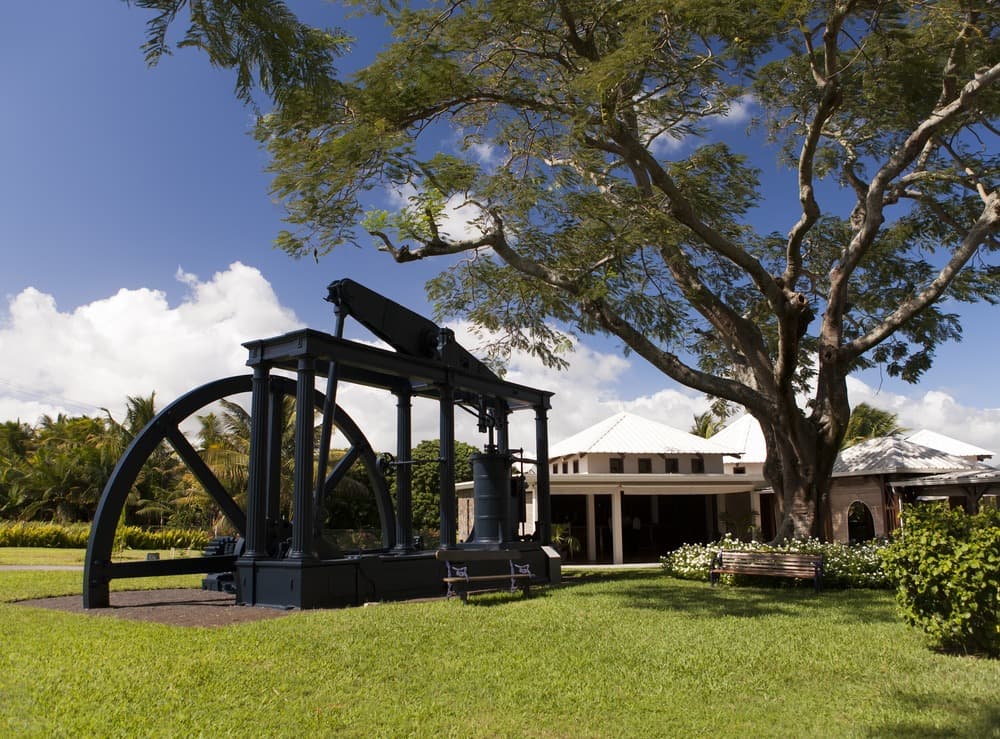
The museum benefits from being housed in an actual working factory: machines, boilers, crushers, and crystallization vats remain in place, integrated into the experience. It complements a visit to the Sir Seewoosagur Ramgoolam Botanical Garden, located just minutes away.
From sugar mill to museum: an industrial story
The Beau Plan sugar mill operated until the late 1990s, during a period of consolidation and progressive closure of Mauritian mills. After production ceased, the site was restored and converted into a museum to preserve the island's industrial memory, as the number of active refineries declined sharply.
Sugar Adventure recounts this long trajectory: the introduction of cane by the Dutch, intensive development under French and then British administration, the influx of indentured laborers from India in the 19th century, and sugar's current place in an economy that has largely diversified toward tourism and services.
What to see on site
The museum experience
The visit follows a chronological and thematic path across two levels:
- the volcanic formation of Mauritius and the evolution of its landscapes,
- the settlement of the island and major waves of migration,
- slavery and indentured labor, presented through documents, objects, and testimonies,
- techniques for cultivating and processing sugar cane,
- machinery from the former mill, preserved on site,
- the place of rum in Mauritian economy and culture.
Information panels are available in several languages, including French and English. The tone remains educational and accessible to families.
Tastings and shop
At the end of the experience, tastings are offered featuring products derived from cane: various unrefined sugar varieties (muscovado, demerara, golden granulated), molasses, and several rums produced from cane juice or molasses. The shop allows you to take home these products, along with local preserves and items related to sugar's history.
Dining on site
A restaurant and café are housed in the renovated buildings, offering Mauritian and Creole-inspired cuisine. This is a convenient option to extend your visit, especially if you combine it with the neighboring botanical garden.
Practical information
- Visit duration: allow about 1h30 for a straightforward tour, up to 3 hours for a complete visit including tastings and dining.
- Opening: the site is open year-round, with occasional closures around the year-end holidays. Check current hours before your visit.
- Tickets: last entry is in the mid-afternoon. Online booking through the official website aventuredusucre.com is recommended during peak season.
- Audience: suitable for families, accessible for people with reduced mobility on most of the route.
Getting there
Sugar Adventure is located in the Pamplemousses district, about fifteen kilometers northeast of Port-Louis. Two main routes link the capital to the site:
- via the M2 motorway then the A4 road (approximately 13 km),
- via the M2 then the B11, passing through Pamplemousses village (approximately 16 km).
A rental car or taxi remains the most practical solution, especially if you combine the visit with the neighboring botanical garden or a stop on the north coast. Buses connect Port-Louis to Pamplemousses, but require a short additional journey to reach Beau Plan.
What to see nearby
The site works well for a themed day in the island's north:
- The Sir Seewoosagur Ramgoolam Botanical Garden, a few minutes away, is a natural complement to the museum.
- To extend the sugar history perspective in the island's south, the Saint Aubin Estate offers another angle, more focused on distillation and colonial heritage.
- For broader Mauritian history, the Mahébourg National History Museum expands the narrative on the island's maritime and colonial past.
Frequently asked questions
Frequently asked questions
Plan your Mauritius visit
To integrate Sugar Adventure into a broader itinerary, explore our Mauritius travel ideas: circuits combining heritage, hiking, and coastline.
Interested in this visit?
We can include it in your personalised itinerary.