Île aux Aigrettes
Île aux Aigrettes
A coral islet managed by the Mauritian Wildlife Foundation, Île aux Aigrettes restores Mauritius's lost coastal ecosystem: endemic dry forest, Aldabra giant tortoises, and rare birds to observe during a guided tour off the coast of Mahébourg.
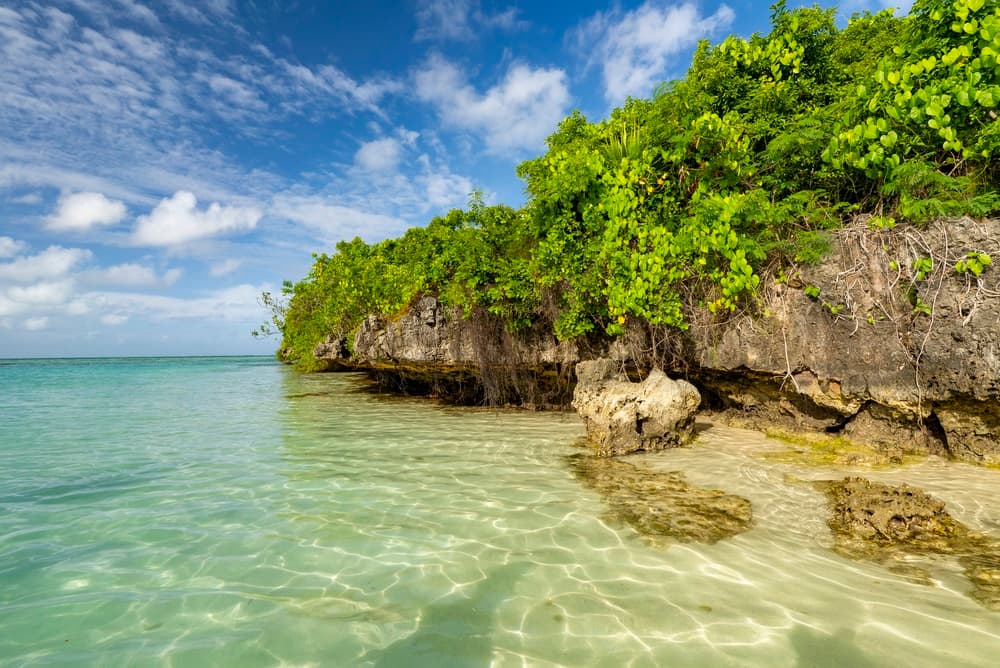
A few hundred meters off the coast of Mahébourg, Île aux Aigrettes is a 27-hectare coral islet managed by the Mauritian Wildlife Foundation. Since the 1990s, this conservation sanctuary has been reconstructing Mauritius's coastal ecosystem as it existed before human arrival: endemic dry forest, Aldabra giant tortoises, and rare birds. It is one of the few places in the world where island ecological restoration is taking place in real time.
Quick Practical Information
- Access: boat from Mahébourg jetty (short crossing, organized by the Mauritian Wildlife Foundation).
- Admission: paid entry, includes boat crossing and mandatory guided tour.
- Guided tour: mandatory — no unguided visits are permitted on the island.
- Recommended duration: approximately 2 hours.
- Dress code: closed-toe shoes recommended for the trails.
- Reservation: advisable, particularly during peak season.
What You'll See
The island is home to a reconstructed coastal dry forest with endemic plant species found nowhere else in the wild today. You'll encounter Aldabra giant tortoises, introduced as ecological substitutes for the extinct Mauritian tortoises. Several rare bird species are present, including the pink pigeon (Nesoenas mayeri) and the Mauritian blackbird.
History and Context
Île aux Aigrettes takes its name from the egrets (white herons) that once nested here. Long degraded by invasive species — rats, cats, exotic plants — the island was cleared of these pests from the 1980s onwards. The Mauritian Wildlife Foundation has since conducted an internationally recognized ecological restoration program, frequently cited as a model for island conservation.
Highlights of Your Visit
The Giant Tortoises
Aldabra tortoises allow very close approach on the trails. They fulfill the ecological role of the extinct endemic Mauritian tortoises, dispersing seeds throughout the dry forest.
The Endemic Dry Forest
This habitat, nearly vanished from Mauritius, is being reconstructed plant by plant. Your guide will identify species, explain their roles, and demonstrate the replanting techniques used by conservation teams.
Birdwatching
The pink pigeon, one of the world's most endangered species in the 1990s, is visible on the island. Its population was saved through the Mauritian Wildlife Foundation's programs.
Photography Tips
Morning light is softer for photographing vegetation and tortoises. The trails are shaded, which minimizes harsh shadows at midday. Avoid using flash near birds. Tortoises are photogenic and unafraid — take time to wait for them to raise their heads.
Location and Access
Île aux Aigrettes is located in the Mahébourg lagoon in south-east Mauritius. The departure jetty is situated in Mahébourg, an easily accessible town from Sir Seewoosagur Ramgoolam International Airport, which is a short drive away. The visit is organized exclusively by the Mauritian Wildlife Foundation; it is not possible to visit independently. Accessibility for visitors with mobility challenges is limited due to the natural terrain and unimproved trails.
Nearby Attractions
- Mahébourg — historic coastal town with a lively market and waterfront.
- Mahébourg History Museum — tells the story of the Battle of Grand Port (1810) and the region's colonial heritage.
- Blue Bay — designated marine park and one of Mauritius's most beautiful lagoons for snorkeling.
- Pointe d'Esny — a tranquil, residential beach nearby, an alternative departure point for exploring the lagoon.
Frequently asked questions
Booking in advance is strongly recommended, especially during peak season (July-August and December-January). Departures are limited by the number of participants per boat.
No. The guided tour is mandatory and included in your ticket. Unguided visits are not permitted in order to protect the ecosystem undergoing restoration.
The island can be visited year-round. The dry season (May to November) offers more stable weather and calmer seas for the boat crossing.
Yes. Getting close to the giant tortoises and observing rare birds are particularly popular with children. Plan for closed-toe shoes and bring water.
Absolutely. Blue Bay is just a few kilometers from Mahébourg. A half-day visit to Île aux Aigrettes in the morning followed by a snorkeling session at Blue Bay in the afternoon is a common combination.
Yes, photography for personal use is permitted. Avoid using flash near birds and follow your guide's instructions regarding distance from wildlife.
Interested in this visit?
We can include it in your personalised itinerary.