Saint Aubin Estate
Saint Aubin Estate
Sugar estate founded in 1778 in Rivière-des-Anguilles: listed colonial residence, agricultural rum distillery, sugar museum and Creole restaurant in southern Mauritius.
The Saint Aubin Estate, located in Rivière-des-Anguilles north of Souillac, marks the end of Mauritius Tea Route. This sugar estate founded in the 18th century now brings together a listed colonial residence, a rum distillery, a Creole restaurant, a sugar museum and a botanical garden in the heart of sugar cane and vanilla plantations.
Why visit Saint Aubin Estate
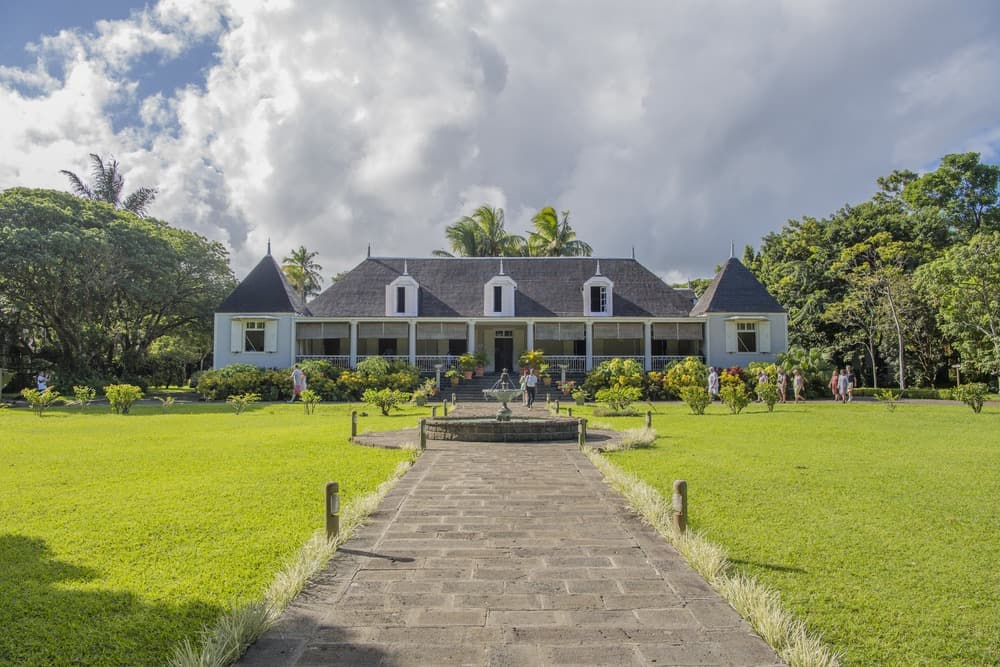
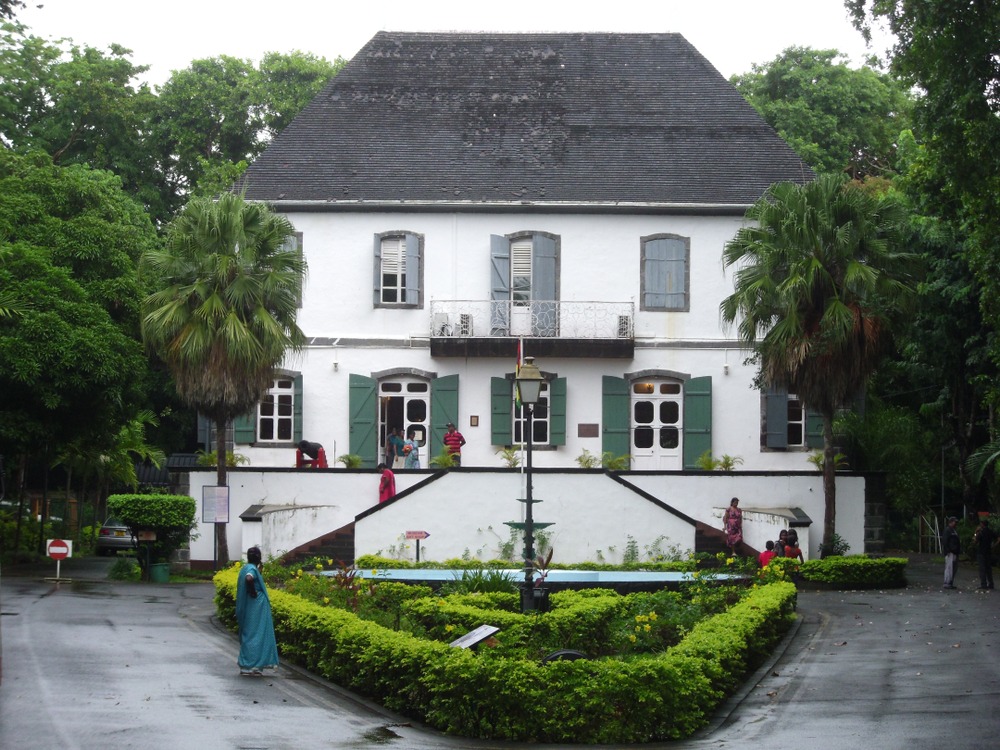
The site condenses three centuries of Mauritian sugar history, pioneering agricultural rum production on the island and Creole cuisine served in a former planter's house. The residence, listed in Mauritius Architectural Heritage, preserves rare elements: a staircase built around a mast, a roof from a ship's hull, a granary frame made of ship timber. The stop suits travellers combining historical interest, tasting and botanical walks in half a day.
History of the estate
Pierre de Saint-Aubin, merchant and farmer, acquired the land from the Count of Merville in 1778. In 1818, Messrs. Charles, Edouard and Thomas Pitot purchased the property and founded the sugar mill there: the vintage 1819 still appears on the façade of the old factory. They subsequently built the colonial residence by recycling timber from ships dismantled in shipyards across the island.
In 1848, Henri Pitot and his partner Gaillardon accepted Jean-Baptiste Guimbeau as a partner. In 1898, Gustave Guimbeau, his son-in-law, took possession of the plantations and factory. In 1922, the entire estate was transferred to The Saint-Aubin S.E. Co. Ltd, which later became Saint-Aubin Group Ltd.
Expansion of the factory generated increasing noise pollution, which forced the owners to move the residence several hundred metres to its current location. Renovated in the 1990s, it was converted into a guesthouse and restaurant, then listed as Mauritius Architectural Heritage.
Literary anecdotes
Henri Pitot and Henriette Pipon, owners in the 19th century, are the parents of historian Albert Pitot, author of reference works on Mauritius. The poet Malcolm de Chazal, author of Sens-plastique (Gallimard, 1948), worked at the estate for a time. Earlier, Bernardin de Saint-Pierre already mentioned these lands in Paul and Virginia (1789) with the phrase "rock-free savanna between sea and woods"; the region was reportedly originally named Savannah.
What to see and do on site
The colonial residence and sugar museum
The main house preserves a restored fireplace and a small gallery set up in the granary: period furniture, old photographs of the estate, panels retracing the history of the island and maritime trade. In the former sugar factory, a museum details the sugar cane transformation process, from grinding to crystal.
The rum distillery
Housed in a 19th-century building on the same property, the Saint-Aubin Rum Distillery is among the island's first agricultural rum producers. The tour covers sugar cane grinding, stills and fermentation vats, and concludes with a tasting of flagship products: white rum, spiced rum and vanilla rum. A video presentation completes the experience.
The Creole restaurant
The restaurant occupies the former planter's house. The menu showcases Mauritian cuisine with estate and local market produce: vanilla or Creole chicken, palm heart salad and smoked marlin, local fritters, fruit sorbets accompanied by homemade vanilla cream. A selection of cocktails made with house rum completes the offering.
Gardens, greenhouses and farmyard
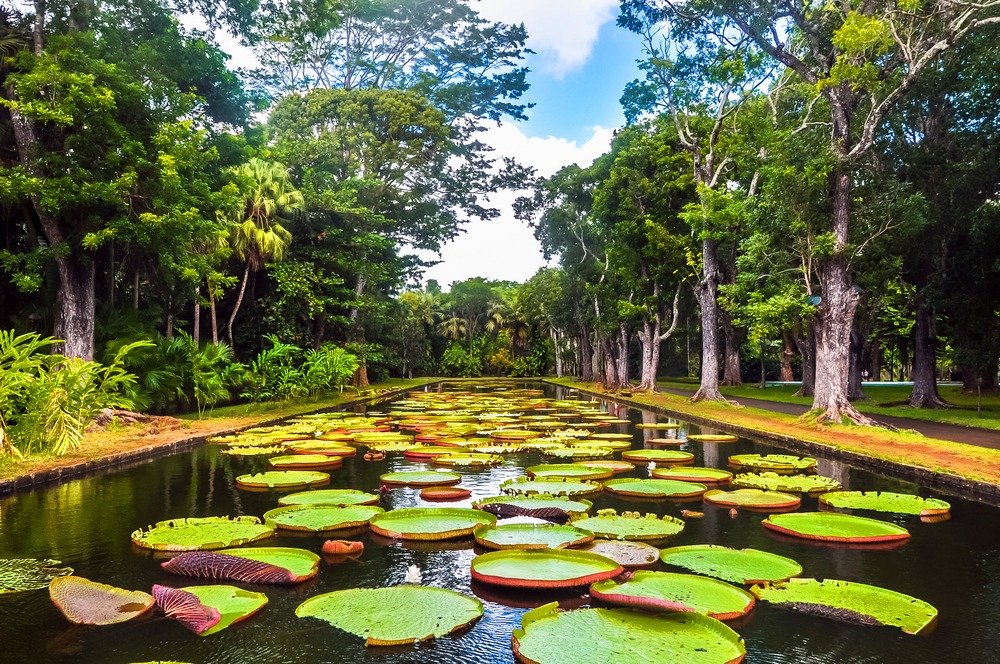
A botanical trail crosses the property and allows you to observe the greenhouses of anthuriums and vanilla vines, two emblematic crops of the estate. The farmyard (rabbits, geese, chickens, pheasants) and a children's play area make the visit suitable for families.
Accommodation
The Saint-Aubin Inn, located in a 1908 house, offers three rooms arranged around a central living space. Creole architecture is preserved: teak flooring, dark wooden shutters, orange corrugated iron roof. A swimming pool and bicycles are available to explore the estate.
Practical information
- Location: Rivière-des-Anguilles, north of Souillac, southern Mauritius.
- Visit duration: allow 2 to 3 hours to combine museum, rum distillery and lunch.
- Rates: visit and lunch package at a moderate rate (to be confirmed on site or with the estate).
- Hours: open during the day, generally throughout the week. Check before visiting, especially outside the season.
- Audience: suitable for families with children thanks to the farmyard and play area.
When to visit
The estate can be visited year-round. The dry season, from May to November, offers the most pleasant conditions for the outdoor botanical trail and walks through the plantations. Sugar cane harvest runs from July to December: this is the most interesting period to observe grinding and distillation activity. The months of January to March can be marked by cyclonic showers.
How to get there
Saint Aubin Estate is located approximately 30 minutes by car from SSR Mahébourg airport, making it an easy stop at the beginning or end of your stay. Several options:
- Car rental: the most flexible option to combine with other southern sites.
- Taxi: direct ride from Mahébourg, Souillac or south-east coast hotels.
- Bus: lines serving Souillac and Rivière-des-Anguilles pass nearby; economical but longer journey.
See in the surrounding area
Southern Mauritius concentrates several sites complementary to a half-day at Saint-Aubin:
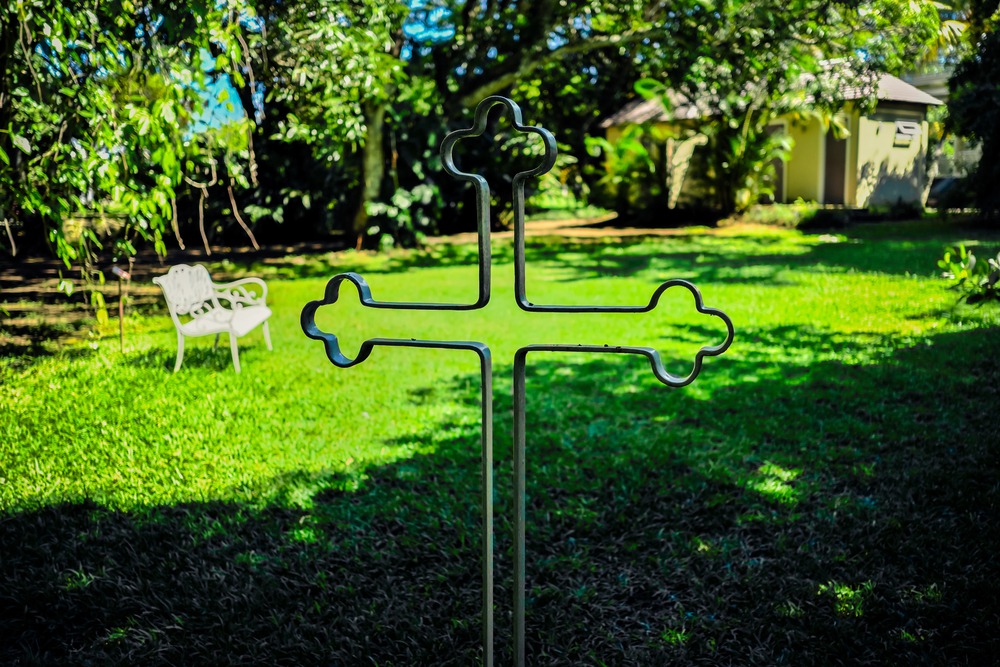
- The town of Souillac and its marine cemetery, a few kilometres away.
- Rochester Falls, waterfalls with characteristic basalt columns.
- The Gris-Gris headland, cliffs battered by the Indian Ocean.
- The National Museum of History Mahébourg (see details) to extend the historical angle.
- The L'Aventure du Sucre museum (see details) to the north, complementary to Saint-Aubin's sugar visit.
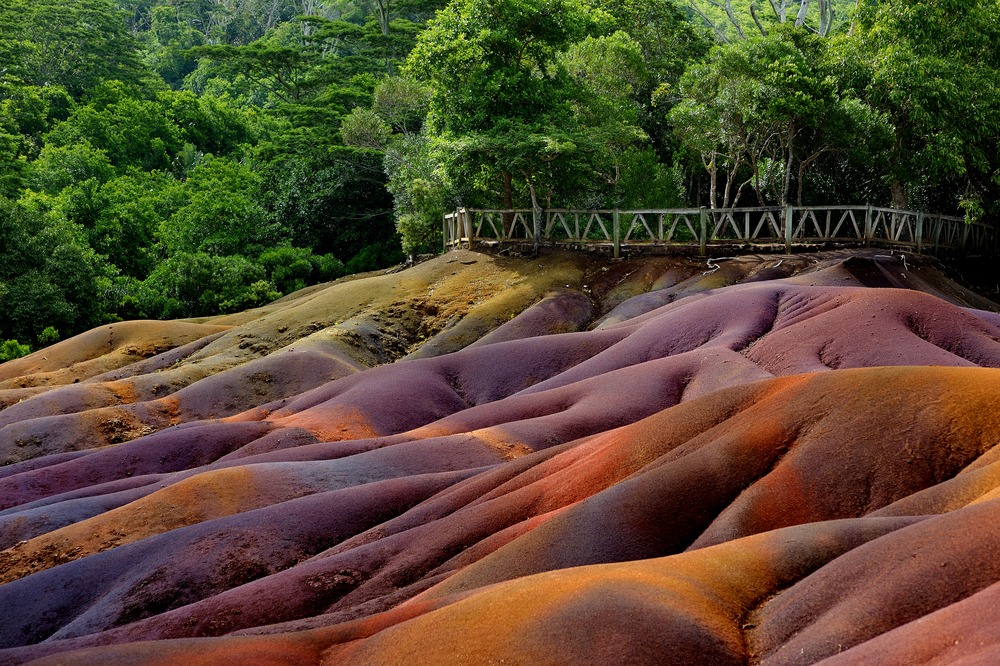
- Further afield, Terre des sept couleurs (see details) to reach the western part of the island.
Frequently asked questions
Frequently asked questions
Allow 2 to 3 hours to go through the sugar museum, rum distillery with tasting and a meal at the restaurant. A full half-day is comfortable if you add the botanical trail.
Yes, the rum distillery tour includes a tasting of flagship products: white rum, spiced rum and vanilla rum. Details vary depending on the package chosen.
Yes. The farmyard (rabbits, geese, chickens, pheasants), greenhouses and garden play area make the visit fun for families, while parents enjoy the museum and restaurant.
Saint-Aubin Inn offers three rooms in a 1908 Creole house, with access to swimming pool and bicycles. Advance booking recommended as availability is limited.
Sugar cane harvest runs from July to December. This is when grinding and distillation are most active on the estate.
Extend your experience in Mauritius
Saint Aubin Estate naturally fits into a circuit in the southern part of the island, between sugar heritage, gardens and wild coast. To build a tailor-made itinerary combining this visit with other key Mauritian experiences, consult our tailor-made trips to Mauritius.
Nearby
Interested in this visit?
We can include it in your personalised itinerary.